The Sponsorship Gap: Why Talented Gamers Keep Getting Overlooked — And How to Actually Fix That
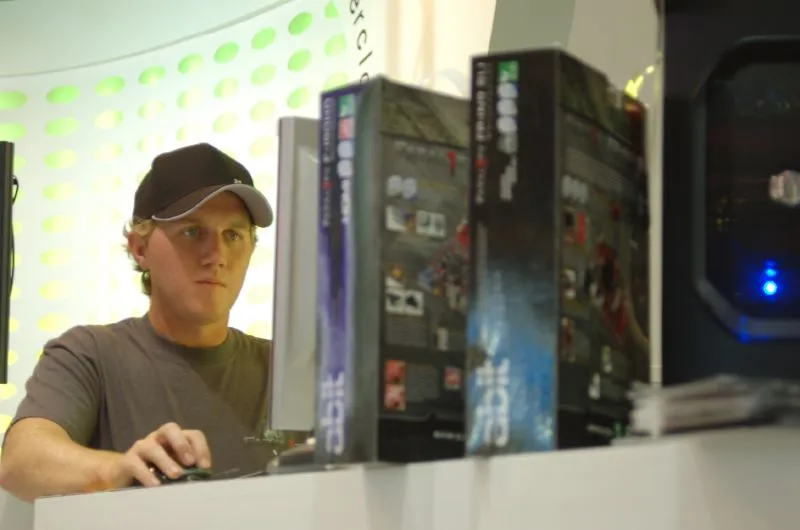
Photo: Gia To, CC BY-SA 4.0, via Wikimedia Commons
There's a version of the competitive gaming dream that goes like this: you grind your way to a high rank, you start placing at local and regional tournaments, and eventually a brand slides into your DMs with a deal. Skill in, sponsorship out. Simple.
Except that's not how it works. Not even close.
The sponsorship landscape in competitive gaming is one of the most misunderstood parts of the entire ecosystem, and it's costing talented players real opportunities. The gap between "good enough to compete" and "ready to be backed" is wider than most people realize — and it's not filled with gameplay hours. It's filled with something most gamers actively avoid thinking about: business fundamentals.
What Sponsors Are Actually Buying
Let's start with the uncomfortable truth. When a brand sponsors a gamer or a team, they are not paying for your skill. They're paying for access to your audience and the association your brand creates for theirs.
That's it. That's the whole transaction.
This means your rank, your KDA, your tournament results — those things matter only insofar as they make your audience trust you and pay attention to you. A Challenger-level player with 200 followers and zero content output is, from a sponsor's perspective, worth significantly less than a Platinum player with a genuine community of 8,000 engaged viewers.
This is the core reason why so many talented players get overlooked. They've invested everything in the game and almost nothing in the infrastructure that makes them sponsorable. And then they're baffled when brands pass on them.
The Follower Count Trap
Here's where it gets more nuanced, though: brands aren't just chasing raw follower counts either. The industry has matured past that. Marketing teams at gaming-adjacent companies — peripheral brands, energy drinks, apparel — have been burned enough times by influencers with inflated or disengaged audiences that they've gotten smarter about what they're actually evaluating.
Engagement rate is often more important than total reach, especially for emerging players. A streamer with 3,000 Twitch followers who pulls a 15% engagement rate on their content is frequently a better pitch than someone with 30,000 followers and a 1% engagement rate. Brands targeting niche competitive audiences know that smaller, tighter communities convert better.
Demographic data matters too. If you're playing games that skew toward an 18-34 male audience in the US, and your viewership actually reflects that, you have something specific to sell. If your audience is diffuse and undefined, you're asking a brand to trust a black box.
The mistake most players make is leading with their numbers without any context. Saying "I have 5,000 followers" means nothing to a brand manager. Saying "I have 5,000 followers, 68% of whom are US-based males between 18 and 28 who watch an average of 45 minutes per stream" is a pitch.
Common Mistakes That Kill Deals Before They Start
Beyond the follower trap, there are a few other patterns that consistently tank sponsorship conversations for emerging players.
Pitching too early and too generically. Sending a cold email that says "I'm a competitive gamer looking for sponsorships" with no specific proposal, no audience data, and no clear value proposition is a one-way ticket to the trash folder. Sponsors receive hundreds of these. Generic pitches signal that you haven't done the work to understand what a partnership actually looks like.
No professional presence outside the game. If a brand Googles you and finds nothing but a social media profile and a few VODs, that's a problem. A basic media kit — a document that covers your audience stats, your content schedule, your competitive history, and what you're offering in exchange for sponsorship — is table stakes. Not having one in 2025 is the equivalent of showing up to a job interview without a resume.
Ignoring brand fit. Reaching out to sponsors whose products have nothing to do with your content or audience is a waste of everyone's time. A hyperviolent FPS streamer pitching a family-friendly gaming peripheral brand is going to get ignored. Research the brands that align with your specific game, your audience's spending habits, and your content tone before you send a single email.
Treating it as a one-way ask. The best sponsorship pitches frame the relationship as a mutual benefit. What are you bringing to the table? What specific content deliverables are you offering? What does success look like, and how will you measure it? Players who lead with "what can you do for me" don't get deals. Players who lead with "here's what I can do for you" do.
Building the Infrastructure Before You Need It
The smartest move any competitive player can make right now is to start building sponsorship-readiness before they're actively pursuing sponsors. This means treating your gaming presence like a business operation, even if it currently generates zero revenue.
Start collecting your own data. Most streaming and social platforms give you analytics — use them. Know your average viewership, your peak concurrent viewers, your audience demographics, and your content performance over time. Build a spreadsheet. Track it monthly. When you eventually pitch a sponsor, you'll have historical data that demonstrates growth, which is arguably more compelling than a snapshot of where you are today.
Develop a consistent content identity. Sponsors want to know what they're buying into. If your content is all over the place — some tournament coverage, some variety gaming, some IRL content — it's hard for a brand to visualize how they fit. Tightening your content focus makes you easier to pitch and easier to buy.
Start small and build a track record. Micro-sponsorships — small deals with local gaming shops, regional tournament organizers, or smaller gaming brands — are often overlooked by players chasing big-name deals. But they serve two important functions: they give you real sponsorship experience, and they create a verifiable track record that larger brands will actually look at.
The Long Game
The frustrating reality of gaming sponsorships is that the players who land the best deals are rarely the ones who needed them most desperately. Brands gravitate toward players who look like they've already figured it out — who have consistent content, engaged communities, and a clear professional identity.
That means the work of becoming sponsorable has to happen before the sponsorship conversations do. It's counterintuitive, but it's how the market actually operates.
If you're competing seriously, placing at tournaments, and putting in the hours to improve — that's the foundation. But the structure built on top of that foundation is what gets you backed. Start building it now, and by the time you're ready to pitch, you'll have something worth buying.