Muted, Flagged, and Deleted: The DMCA Crisis That's Reshaping How Gaming Content Gets Made
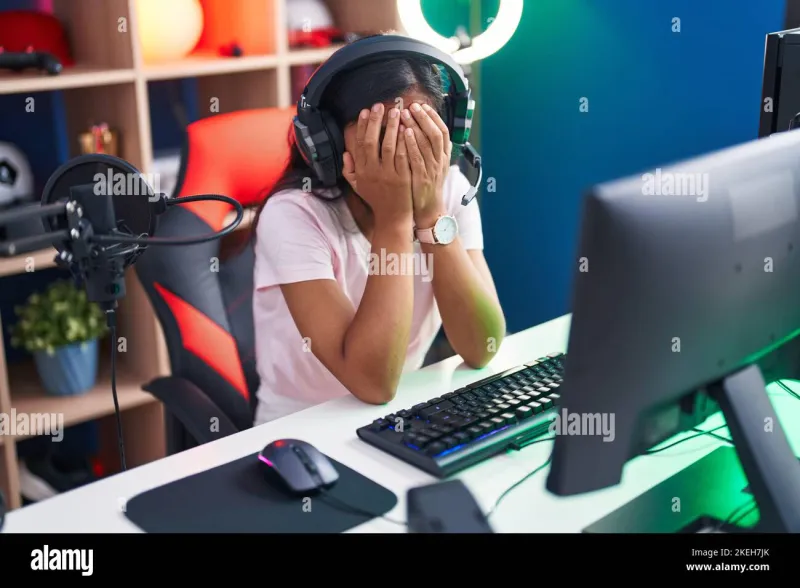
Photo: streamer frustrated computer copyright notice gaming setup, via c8.alamy.com
Imagine grinding out a tournament broadcast for six hours — custom graphics, live commentary, the whole production — only to wake up the next morning and find it muted, flagged, or gone entirely because a three-minute background track triggered an automated copyright system. No warning. No appeal process that actually works. Just silence.
This isn't a hypothetical. It's been the reality for thousands of gaming content creators and esports organizations across the United States, and it's gotten measurably worse heading into 2025. The DMCA (Digital Millennium Copyright Act) was written in 1998, back when the internet looked nothing like it does today — and its collision with modern streaming culture has created a legal and creative minefield that's costing creators audiences, income, and sometimes their entire channels.
How We Got Here
For years, the streaming and gaming content world operated in a kind of informal gray zone. Streamers played music in the background. Tournament broadcasts licensed nothing. Platforms mostly looked the other way, and rights holders largely ignored the small fry.
That changed hard around 2020, when major record labels started sending mass DMCA notices to Twitch. The platform responded by retroactively muting or deleting thousands of VODs — including broadcasts that were years old. Streamers who'd built libraries of content overnight found their archives decimated.
The pattern has only intensified since. Automated Content ID systems on YouTube and Twitch's own detection tools now flag clips with remarkable aggression, often catching incidental audio — a song playing from a game's built-in soundtrack, a track from a licensed esports arena, even music in a sponsor's pre-roll ad that the streamer didn't choose. The system doesn't care about context. It just flags.
Tournament Broadcasts Are Getting Hit Hardest
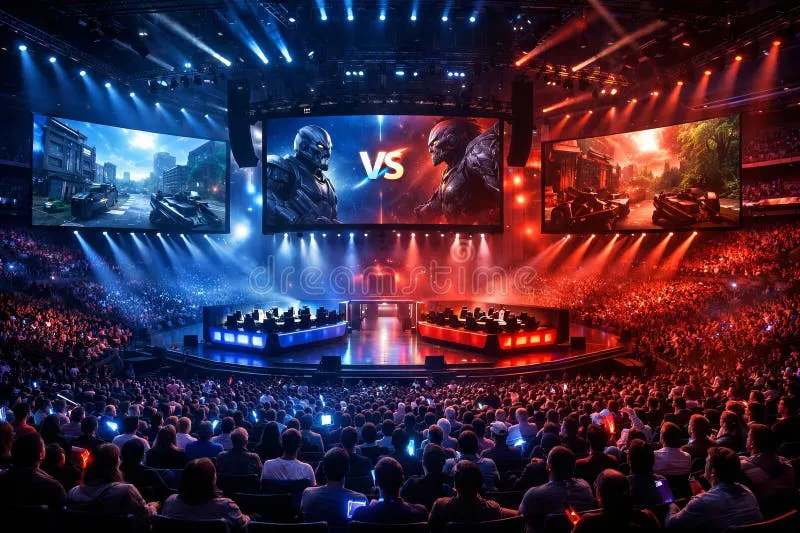
For the competitive gaming scene specifically, the DMCA problem hits differently. Esports organizations producing tournament content face a unique challenge: they're broadcasting events in arenas and venues that have their own licensed music systems, playing games that have licensed soundtracks, and producing content that's inherently harder to sanitize than a solo stream.
Smaller tournament organizers — the kind running regional qualifiers and community brackets — often don't have legal departments or licensing budgets. They're running lean operations, and a copyright strike can mean a channel strike, a monetization suspension, or in worst-case scenarios, a takedown that breaks the broadcast entirely mid-event.
Several community tournament organizers have described pivoting their entire production workflows around copyright avoidance: stripping in-game music, curating royalty-free libraries, and even choosing which games to broadcast based on how aggressively a developer's publisher enforces copyright claims. That last one is a real conversation happening in community esports right now, and it's reshaping which titles get grassroots competitive attention.
The Legal Gray Areas Nobody Warned Creators About
Here's the part that frustrates creators most: a lot of what gets flagged sits in genuinely ambiguous legal territory. Fair use exists in US copyright law and theoretically protects commentary, criticism, and transformative creative work — which a lot of gaming content clearly is. But fair use is a defense, not a right. You can only invoke it in court, and most individual creators don't have the resources to lawyer up against a major record label.
The DMCA's notice-and-takedown system was designed to protect platforms from liability, not to protect creators. When a rights holder files a claim, the platform removes the content first and asks questions later — if at all. The counter-notification process exists on paper, but filing one puts the creator on the hook for potential litigation if the rights holder decides to push back. Most don't bother fighting it.
Game publishers add another layer of complexity. Some developers explicitly grant streamers permission to broadcast their games commercially. Others include language in their EULAs that technically prohibits monetized streaming. Most exist somewhere in between, with policies that are vague enough to create constant uncertainty.
How Creators and Organizations Are Pushing Back
The response from the content creator community has been scrappy, creative, and increasingly organized.
On the practical side, a whole ecosystem of royalty-free and streamer-friendly music has exploded. Platforms like Pretzel, Soundstripe, and Monstercat's dedicated streaming licenses have become standard infrastructure for serious content creators. Many streamers have moved to curated playlists they've personally licensed or verified — a workflow that would have seemed absurdly over-engineered five years ago.
Some larger esports organizations have gone further, negotiating direct licensing deals with labels and publishers ahead of major events. It's expensive and time-consuming, but it's the only reliable protection against automated enforcement at scale.
On the advocacy side, creator-focused organizations and lobbying groups have been pushing for DMCA reform that would better account for transformative use and give creators a more functional dispute process. Progress has been slow — copyright law moves at the speed of Congress — but the conversation is louder than it's ever been.
Twitch and YouTube have both rolled out incremental improvements to their claims systems under creator pressure: better appeal interfaces, faster resolution timelines, clearer communication about what triggered a flag. None of it has solved the fundamental problem, but the platforms are at least acknowledging that automated enforcement at scale creates real collateral damage.
What This Means for the Gaming Community
For anyone competing, watching, or creating around competitive gaming, the DMCA situation isn't just a content creator problem — it's a community infrastructure problem. Tournament broadcasts, highlight compilations, coaching content, and community-built archives are all vulnerable. The cultural record of competitive gaming is partly being written by VODs and clips that could disappear tomorrow.
The practical takeaway for anyone creating gaming content in 2025: treat copyright as a production consideration from day one, not an afterthought. Know your platform's policies. Build a royalty-free music library before you need it. Understand that fair use is real but not a reliable shield without legal backing.
And stay loud about it. The creators who've made the most headway against platform over-enforcement have done it by making noise — publicly, consistently, and collectively. The rules of this game are still being written, and the community has more influence over the outcome than it sometimes realizes.