The Stage Changes Everything: Why Your First LAN Should Be the Goal This Year
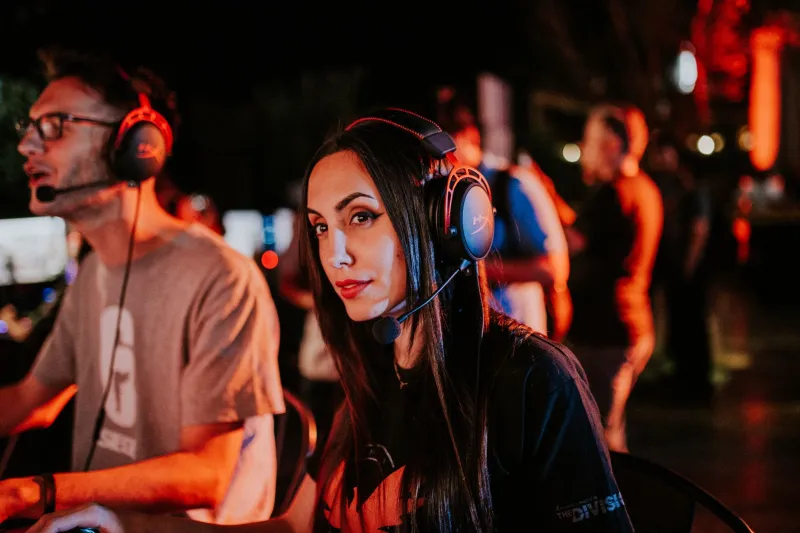
Let me say the quiet part loud: if you're a competitive player in the US who has never competed in person, you're training for the wrong format.
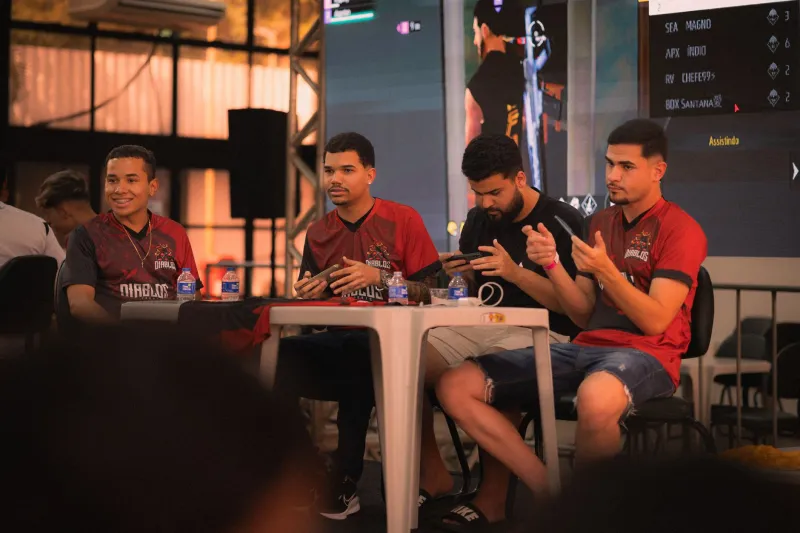
The post-pandemic years gutted local tournament scenes, and a whole generation of amateurs came up entirely online — qualifiers from their bedrooms, regionals on Discord, zero pressure beyond their own ping. But 2025 has brought a real resurgence of in-person LAN events, from grassroots weekend tournaments at gaming lounges to bigger regional circuits across the country. And here's my honest opinion: this revival is the single biggest untapped opportunity for aspiring competitive players right now.
Not because LANs are more prestigious. Because they're a completely different sport, and almost nobody trains for them properly.
The Bedroom Champion Problem
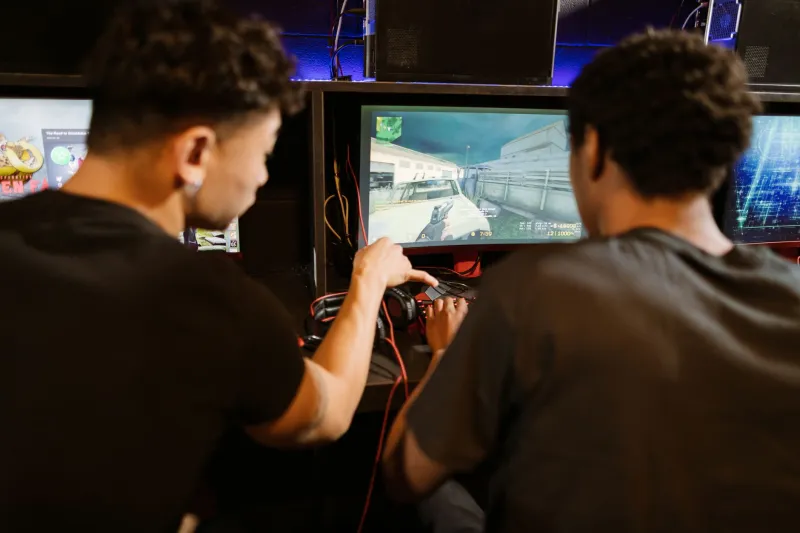
Online competition is a controlled environment. Your chair fits you. Your sensitivity is dialed in. Your audio is exactly how you've tuned it for a thousand hours. The room is silent except for your own keyboard.
Now put that same player on a stage. The monitor is a different model with different colors. The chair is whatever the venue had in the budget. There's a crowd behind you — some cheering, some shuffling, some loudly reacting to the match on the big screen. There's no pause button. Your opponent is ten feet away instead of a disembodied username.
Every one of those changes is a tax on your performance, and players who've never paid it get shocked every single time. This is the bedroom champion problem: online monsters who fall apart the moment the environment stops cooperating. The skill didn't leave. The conditions did.
Why Online-Only Training Doesn't Transfer
The core issue is that online play trains you to rely on stability that doesn't exist on stage. Consider what's actually different:
Sensory chaos. Crowd noise isn't just distracting — it buries the audio cues you've built your entire game around. Footsteps, ability timers, callouts from teammates sitting next to you versus through a headset. Your processing has to adapt in real time.
No do-overs. Online tournaments pause for disconnects. LANs mostly don't. Technical hiccups, nerves, a shaky start — the game keeps moving. Composure under no-pause conditions is a trainable skill, but only if you train it.
Physical nerves. There's a physiological component to playing in front of people that no amount of online grinding replicates. Elevated heart rate, shaky hands, tunnel vision. Pros talk about it constantly; amateurs pretend they'll be fine. They are not fine.
If your entire competitive résumé is online, you've optimized for an environment that disappears the moment you qualify for anything meaningful.
How to Actually Train for a Stage
The good news: you can rehearse most of the LAN experience without a LAN.
- Break your setup dependency. Periodically play at different sensitivity settings, on different monitors, in different chairs. Not permanently — just enough that your game doesn't collapse when hardware varies. Comfort with discomfort is the whole skill.
- Practice with noise. Queue ranked with a podcast or background crowd noise at low volume. It sounds ridiculous. It also desensitizes your audio processing so a live crowd doesn't scramble your reads.
- Play with no pauses, no breaks. Commit to full sessions where you don't stop mid-match for anything. Build the habit of playing through mistakes instead of resetting mentally.
- Simulate the audience. Stream your ranked games, even to zero viewers. Knowing someone might be watching — that your mistakes are visible — is the closest cheap approximation to stage pressure that exists.
- Rehearse the format. LAN tournaments run long. Best-of series, back-to-back matches, waiting around for hours between rounds. Practice playing your best when the schedule is ugly, not just when you're fresh.
Your First LAN: A Practical Checklist
When you're ready to pull the trigger, keep it simple:
- Start local and small. Gaming lounges, college esports clubs, and community run events are everywhere again. The goal of your first LAN is not to win — it's to collect the experience.
- Bring your own peripherals. Keyboard, mouse, headset, mousepad. Venue gear is a variable; your muscle memory doesn't need to be.
- Know the ruleset cold. Different organizers run different formats, game settings, and conduct rules. Reading the rulebook is free; a rules violation is not.
- Plan your body, not just your game. Sleep the night before. Eat real food. Bring water. Sounds obvious, but half of first-LAN losses come from players who were running on energy drinks and adrenaline by round three.
- Watch a full tournament before you play one. Show up as a spectator first if you can. See the pace, the noise, the downtime. Nothing on stage should be a surprise.
- Talk to people. The in-person scene is where real gaming communities still live. The connections you make at a local LAN — teammates, scrim partners, organizers — will do more for your competitive career than any number of online qualifiers.
The Window Won't Stay Open Forever
Here's why the timing matters. Right now, the pool of players competing in person is smaller than it was pre-2020 — a lot of talent is still grinding exclusively online. That means local LANs are softer than they'll be in two or three years, once the in-person scene fully rebuilds and the stage-experienced player base catches back up.
Getting your LAN reps in now, while the field is still rebuilding, is the competitive equivalent of buying before the market corrects. The players who show up early, learn the format, and build their stage composure during this window are going to have a serious edge when the scene peaks again.
Online qualifiers will always matter — they're the front door. But the houses are built in person. Find a LAN near you, put a date on the calendar, and give yourself a real reason to train differently this year.