Hired for the Wrong Reasons: Why Your Coach Is Costing You Tournaments
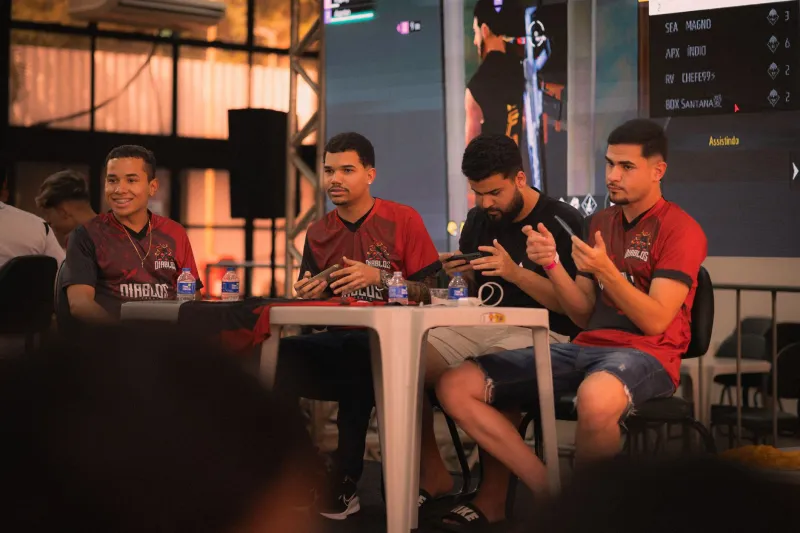
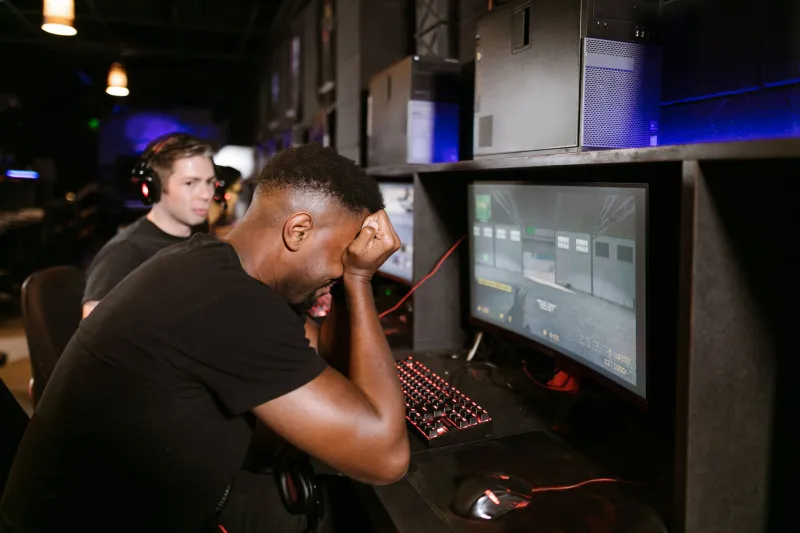
There's a moment every competitive team dreads — you're deep into bracket play, the pressure is suffocating, and your squad starts making the same predictable mistakes it's been making all season. You've got a coach. You've been putting in the hours. So why does it feel like nothing is actually clicking when it matters most?
Chances are, the problem started way before tournament day. It started the moment you hired.
The "Best Player Becomes Coach" Trap
This is one of the most common mistakes in competitive gaming, and it plays out at every level — from grassroots squads grinding local circuits to semi-pro rosters chasing bigger stages. A player retires or steps back from competing, and because they were mechanically sharp, the assumption is they'll translate that skill into great leadership.
Sometimes it works. Most of the time, it doesn't.
Mechanical excellence and strategic coaching are fundamentally different disciplines. A player who dominated because of insane reaction time and game sense isn't automatically equipped to identify why a five-person team is breaking down under pressure, communicate that diagnosis clearly, and then design a system to fix it. Those are teaching, analytical, and psychological skills — and they don't come bundled with a high rank.
When teams skip evaluating those qualities during the hiring process, they end up with someone who can demonstrate what good play looks like but can't actually build it across a roster.
What Elite Coaches Actually Do
Here's the thing: the best coaches in competitive gaming — and honestly, in traditional sports too — aren't always the ones who were the best players. What separates elite coaching from mediocre leadership isn't how well someone can execute in-game. It's how well they can read people, read systems, and engineer improvement.
Elite coaches do a few specific things differently:
They diagnose before they prescribe. Average coaches see a team losing and immediately start pushing mechanical fixes — practice this rotation, tighten that lineup. Elite coaches ask why first. Is the breakdown tactical? Is it communication? Is it a confidence issue under pressure? Getting the diagnosis right is half the battle.
They build adaptable systems, not rigid playbooks. Disciplined opponents will crack a team that runs the same setups on repeat. The best coaches install frameworks that let players make smart decisions in real time, rather than just memorizing plays that fall apart the second an opponent adjusts.
They manage the mental side of competition. Tournament runs are emotional gauntlets. Tilt, ego clashes, slumps — these things destroy teams from the inside. A coach who can't identify and address those dynamics is leaving a massive vulnerability exposed, regardless of how polished the strategy looks on paper.
They communicate differently to different players. A five-person roster isn't a monolith. Some players need direct, blunt feedback. Others need to be walked through the reasoning. Elite coaches read their players as individuals and adjust accordingly.
The Hiring Criteria That Actually Predicts Performance
So how do you actually evaluate a coaching candidate before you hand them the keys to your roster's development? A few things worth prioritizing:
Ask for a film breakdown session. Give a candidate VODs from your recent matches and ask them to walk through what they're seeing. This tells you more than any resume. Are they identifying systemic issues or just pointing out individual mistakes? Are they framing feedback constructively or just criticizing? Can they communicate clearly under a bit of pressure?
Probe their experience with struggling teams. Anyone can look good coaching a talented roster. The real test is what they've done with teams that were underperforming. Ask specifically — what was the situation, what did they change, and how did they measure improvement? Vague answers are a red flag.
Evaluate their process, not just their results. Wins matter, but tournament outcomes have a lot of variance baked in. What you really want to understand is whether a candidate has a repeatable, structured approach to building team performance — or whether they're just winging it and hoping talent carries the day.
Check how they handle disagreement. Competitive rosters are full of strong personalities. A coach who can't navigate conflict or who folds every time a player pushes back isn't going to hold the room when things get tough. Ask candidates directly how they've handled situations where a player disagreed with their direction.
Spotting the Coaching Gap Before It Costs You
Even if you've already made a hire, it's worth doing a periodic audit of whether your coaching setup is actually serving your team's growth. A few signs the gap might be bigger than you think:
-
Your team performs well in scrimmages but consistently underperforms in tournament settings. This usually points to a gap in mental prep and pressure management — areas where coaching should be doing heavy lifting.
-
Opponents are adapting to your team mid-series but your squad isn't adjusting back. That's a strategic flexibility problem, and it often traces back to a coaching philosophy that emphasizes memorization over decision-making.
-
Players are improving individually but the team's coordination isn't getting sharper. Good coaching should be elevating collective performance, not just individual mechanics.
-
Post-loss debriefs feel like blame sessions rather than learning opportunities. If your team dreads the debrief, something is off in the coaching dynamic.
The Bigger Picture
Competitive gaming is maturing fast. The teams that are consistently winning at higher levels of play aren't just the ones with the most mechanically gifted rosters — they're the ones with the most thoughtfully constructed support systems around those players. Coaching is a massive part of that.
The squads still treating the coaching role as a consolation prize for a retired player, or filling the seat with whoever is available, are going to keep running into the same ceiling. Meanwhile, the teams that get serious about what coaching actually requires — and hire accordingly — are going to keep climbing.
At DF999 Game, we see this play out in tournaments constantly. The talent gap between competing teams is often smaller than people think. What separates the squads that go deep from the ones that flame out early is usually structure, adaptability, and leadership.
Fix the hire, fix the ceiling.