Why Players Keep Walking Away: The Retention Crisis Quietly Killing Competitive Gaming
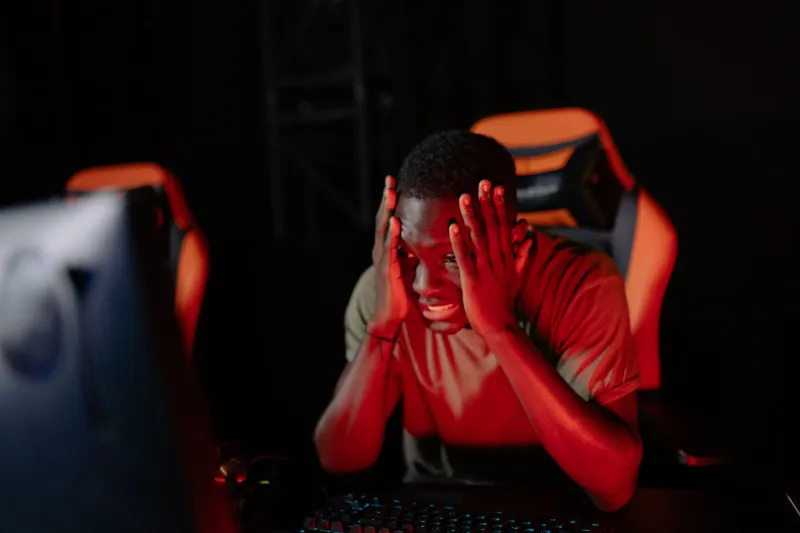
Here's a scenario that probably sounds familiar. You've been grinding a competitive title for three months. Your mechanics are sharper. Your game sense is clicking. You're reading situations faster than you were in week one. By every measurable standard, you're better at the game.
Then one Tuesday night, after a particularly brutal losing streak, you close the client — and never really come back.
This isn't a skill problem. It's a retention problem, and it's one of the most underreported crises in competitive gaming right now.
The Numbers Behind the Drop-Off
Player churn in competitive titles is staggering. Industry analysts have consistently found that the majority of players who download a competitive game abandon it within the first 90 days. But what's more alarming than early drop-off is late-stage abandonment — players who invest hundreds of hours, show genuine improvement, and still walk away.
A 2023 report from Newzoo estimated that player engagement in live-service competitive games peaks around the four-to-six month mark before entering a steep decline. Studios spend enormous resources acquiring new players, but relatively little figuring out why their most invested users eventually disengage.
The answer, it turns out, has almost nothing to do with the game itself.
Progression Systems That Feel Like a Treadmill
One of the biggest culprits is the way modern competitive games are designed to simulate progress without delivering meaningful advancement.
Battle passes, seasonal resets, and cosmetic unlocks give players the visual language of progression — new skins, animated banners, shiny ranked borders — but none of it translates to the thing competitive players actually care about: getting better and being recognized for it.
Rank resets are a perfect example. Every new season, a significant portion of a player's hard-earned climb gets wiped. The stated reason is competitive integrity. The psychological reality is that players feel punished for their investment. You spend four months clawing from Gold to Platinum, and the game essentially tells you to start over. That's a brutal message to send to someone who already sacrificed evenings and weekends.
The players who stay through those resets tend to be the most obsessive — which isn't necessarily healthy, and definitely isn't sustainable for the broader population.
Toxicity Isn't Just Annoying — It's a Retention Killer
Ask any player who's quit a competitive game why they left, and community toxicity will come up within the first two answers. This isn't anecdotal anymore. Research from the Anti-Defamation League found that over 80% of online gamers in the US experienced some form of harassment while playing. Among competitive titles specifically, that number skews even higher.
The frustrating part is that most studios know this. They've built reporting systems, chat filters, and behavior scoring. But enforcement is inconsistent, penalties rarely feel proportionate, and the most toxic players have often learned to operate just inside the threshold of what gets flagged.
For newer or improving players — the exact demographic you want to retain — a single session of targeted harassment can undo weeks of positive momentum. People don't quit because they hit a skill ceiling. They quit because getting screamed at by a stranger after a bad round stopped feeling worth it.
The Psychological Weight of the Long Grind
There's also a deeper psychological dynamic at play that doesn't get discussed enough: competitive gaming is structurally designed to keep players in a state of almost.
Almost hit the next rank. Almost mastered that mechanic. Almost ready for tournament play. The gap between where you are and where you want to be is engineered to feel closeable — just one more session away. That's motivating in short bursts, but over months and years, it creates a specific kind of exhaustion that psychologists sometimes call "goal fatigue."
Players who experience goal fatigue don't necessarily rage quit in a dramatic moment. They just... drift. Sessions get shorter. Log-ins become less frequent. One week off turns into a month. By the time they realize they've stopped playing, the emotional connection to the game has already faded.
The grind culture embedded in competitive gaming celebrates the players who push through this fatigue. But for every streamer who made it to the top and built a community around their journey, there are thousands of players who burned out quietly and moved on.
What Actually Keeps Players Engaged
So what works? What actually keeps competitive players coming back — not out of compulsion, but out of genuine investment?
The research points to a few consistent factors.
Meaningful social connection. Players who have at least one consistent teammate or in-game friend are significantly more likely to stick with a title long-term. Community isn't just a nice-to-have — it's a retention mechanism. Platforms and games that make it easy to build small, consistent squads see lower churn than those that funnel everyone into anonymous solo queues.
Visible, personal progress tracking. Not rank — skill. Players who can see concrete evidence that they're improving specific mechanics (accuracy trends, decision-making data, matchup win rates) stay engaged longer than those who only have a rank number to gauge their growth. Some third-party tools already fill this gap, but it shouldn't require a third-party app to feel like you're developing.
Low-stakes competitive environments. Tournaments and brackets with smaller prize pools and no-pressure formats give players a reason to compete without the anxiety of their rank being on the line. The casual tournament scene — local events, community brackets, platform-hosted competitions like the ones here at DF999 — serves a critical function in keeping mid-level players engaged and feeling like part of something bigger.
Recognition beyond rank. Achievements, community callouts, and formats that celebrate improvement rather than just final placement give players reasons to stay even when the ranked grind feels stale.
The Fix Starts With Honesty
The competitive gaming industry has a retention problem it largely refuses to name directly. It's easier to talk about player acquisition, content updates, and esports viewership than to admit that the systems designed to keep players hooked are often the same systems driving them away.
For players, the takeaway is this: if you've felt the pull to walk away, it's probably not because you're bad at the game. It's because the game — or the community around it — stopped giving you what you actually needed to keep showing up.
Finding the right environment matters as much as finding the right practice routine. Competing in formats where improvement is celebrated, teammates are accountable, and the stakes feel proportionate can completely change your relationship with a title you'd written off.
The grind doesn't have to feel like a treadmill. But finding the spaces where it doesn't — that part's on you.