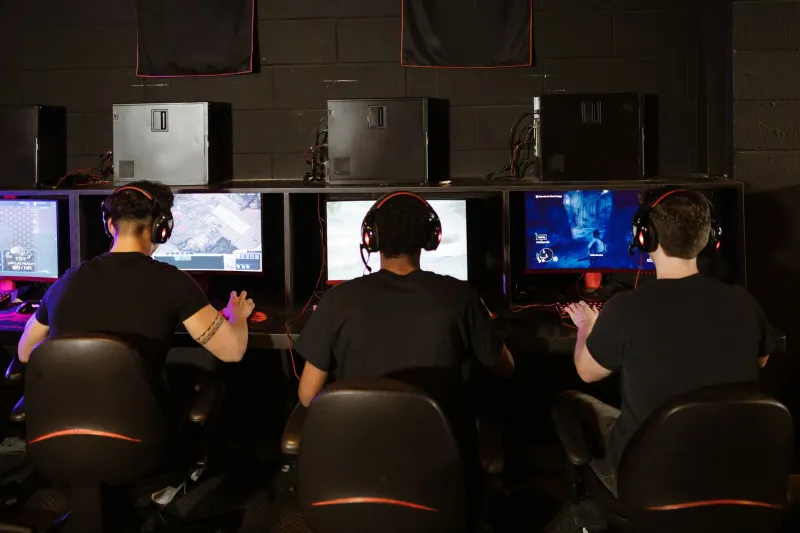
Clocking Out, Ranking Up: The Working Adults Quietly Dominating Ranked Ladders
Photo: Bev Sykes, CC BY 2.0, via Wikimedia Commons
Somewhere in suburban Ohio, a 34-year-old insurance adjuster just hit Grandmaster. He didn't quit his job. He didn't drop 60 hours a week into the game. In fact, his total playtime would embarrass a lot of teenagers.
What he did have was a system — and it's one more and more working gamers are quietly adopting across the US.
The Myth of the Endless Grind
There's a persistent belief baked into competitive gaming culture: more hours equals more rank. And to be fair, volume matters when you're 16 with no responsibilities. But for adults juggling careers, commutes, and maybe a family, that model falls apart fast.
What matters more at a high level is quality of reps — and ironically, adults are often better positioned to deliver that than kids are.
Meet the 9-to-5 Contenders
Spend any amount of time in high-ranked Discord communities and you'll find them: the project manager in Denver who hit Radiant playing three nights a week, the nurse in Atlanta climbing in her off-shift hours, the teacher in Texas who reviews his own VODs on his lunch break.
Their common thread isn't talent or time. It's intentionality.
One player we spoke to, a logistics coordinator from Arizona, described his routine like this: "I get maybe 90 minutes on a weeknight. So I don't waste a single queue. I know exactly what I'm working on before I hit play."
The Framework: Practice Like You Mean It
If you're trying to climb on limited hours, structure beats volume. Here's the pattern that keeps showing up among working players who've made it work:
- Warm up with purpose (10–15 minutes). Aim trainers, mechanics drills, or free agency work. Not a ranked match to "get loose."
- Block your ranked sessions. Two or three focused matches with a specific goal — say, improving mid-round decision-making — beats a four-hour autopilot session.
- Schedule your reviews. One VOD review per week, even 20 minutes of it, compounds fast. Most players never watch themselves. That's free improvement being left on the table.
- Protect your off days. Tilt-queuing after a bad day at work is how adults burn out and quit. If the session isn't serving you, close the game.
Weekends get reserved for longer blocks — scrims with the squad, tournament runs, or deeper VOD work when the house is quiet.
Why Adults Actually Have an Edge
It sounds backwards, but the constraints of a working life can be a competitive advantage. Limited hours force prioritization. Career experience translates to better composure, communication, and emotional regulation — the exact skills that separate good players from great ones in high-pressure matches.
Younger players might out-mechanize you. They rarely out-think you.
The Long Game
Nobody's saying it's easy. Balancing a job, relationships, and a serious ranked climb takes discipline most people don't apply to hobbies. But the door is more open than ever for the after-hours competitor.
You don't need to be young and unemployed to compete. You need a plan, a schedule you actually follow, and the willingness to treat your limited time like it matters.
Because for a growing number of working gamers, it does.