Nobody Wants to Be the Shield: The Quiet Exodus Destroying Team-Based Games
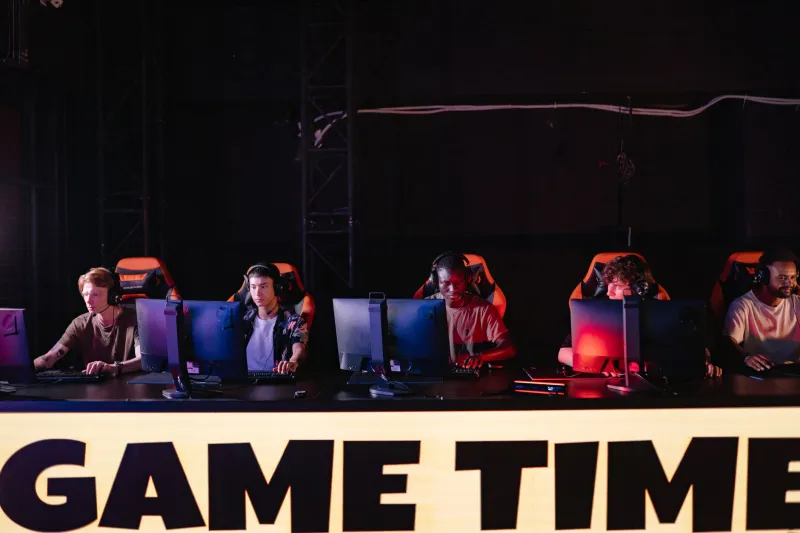
Open up any team-based competitive game right now — Overwatch 2, Marvel Rivals, League of Legends, Smite 2, take your pick — and you'll notice something familiar the moment you hit the role queue screen. DPS slots fill up in seconds. Tank and support? Those little icons just sit there, blinking, waiting. Sometimes for a very long time.
This isn't a new problem, but it's getting worse. And if you've ever spent serious time in the competitive scene, you already know why. Playing tank or support in a team game is one of the most mentally taxing experiences in all of competitive gaming — and it comes with almost none of the glory.
The Invisible Backbone
Here's the reality most people don't talk about openly: tanks and supports are the reason games get won. Not the DPS player who popped off with a quad kill. Not the streamer who clipped a highlight-reel moment. The Reinhardt who held the choke for three full minutes. The Ana who landed a sleep dart at the exact right second. The Thresh who made a perfect hook call.
But scroll through any post-game chat, any Reddit thread, any Discord server after a ranked loss, and you'll almost never see the support getting praised. What you will see is the support getting blamed. Healers didn't heal enough. The tank fed. Nobody peeled for me. It's a pattern so consistent it's practically a genre of its own.
Pro players have been talking about this for years. Former Overwatch League support players have gone on record saying the psychological weight of the role is unlike anything else in competitive play. You're responsible for keeping your team alive, you're expected to track every cooldown on the enemy team, and when something goes wrong — even something completely outside your control — the blame gravitates toward you like a magnet.
The Recognition Gap Is Real
Let's talk about visibility, because that's a huge piece of this puzzle. Competitive gaming runs on recognition. Clips get shared. Streamers build brands. Sponsorships flow toward players with highlight reels and massive followings. And the brutal truth is that a perfectly-timed Lucio sound barrier just doesn't hit the same on a Twitch clip as a Genji dragonblade.
This creates a structural imbalance that goes way beyond individual games. The entire economy of attention in competitive gaming is skewed toward flashy, offensive play. When a DPS player goes off, everybody sees it. When a support player carries through sheer positioning, awareness, and game sense, most of their teammates don't even realize it happened.
Retention data across popular titles reflects this. Role queue systems were introduced specifically to address the shortage of tank and support players, but the underlying problem never got fixed — it just got managed. You can force people into roles, but you can't force them to enjoy it. And when players feel invisible, underappreciated, and constantly blamed, they find other ways to spend their time.
What's Actually Pushing Players Out
It's not just the blame culture, though that's a big one. There are a few compounding factors that make these roles genuinely difficult to stick with long-term.
Mechanical feedback loops are weaker. When you play DPS and you're doing well, you feel it immediately. Kills register, numbers pop up, your character does something visually satisfying. Tank and support feedback is more abstract. You kept your team alive. You enabled a fight. You made space. These are real contributions, but the game often doesn't communicate them as clearly — and that lack of feedback makes it harder to feel progress.
The learning curve doesn't feel rewarding early on. New players who try tank or support roles often feel helpless before they develop the game sense to understand what they're actually doing. They get flamed, they lose, and they don't have enough context yet to understand why. So they switch to DPS, which at least gives them something to shoot at.
Toxicity hits differently when you're in a service role. There's a psychological dynamic where players who are already in a caretaking position — literally keeping others alive — absorb criticism more personally. The role primes you to feel responsible for outcomes. When teammates pile on, it lands harder.
What Would Actually Fix This
The solutions that get thrown around most often — better matchmaking, stricter chat moderation, role-specific rewards — are fine as far as they go. But they don't address the core issue, which is cultural.
Competitive gaming communities need to fundamentally change how they talk about and value support play. This starts at the top. When pro players, streamers, and content creators consistently highlight and celebrate high-level tank and support play, it shifts what players aspire to. Right now, most of the aspirational content in competitive gaming is DPS-focused. That's not an accident — it's a feedback loop, and it can be changed.
Game developers have a role here too. Clearer in-game recognition for support contributions, better visual feedback for impactful plays, and more explicit callouts for assists and saves would go a long way. Some games are starting to experiment with this — healing meters, save notifications, contribution breakdowns — and early responses from players have been positive.
At the community level, something as simple as changing how post-game conversations happen matters. Calling out a great peel. Acknowledging the support who kept the team in the fight. Crediting the tank who made space for the whole team to breathe. These aren't complicated things, but they're rare enough that they actually stand out when they happen.
The Stakes Are Higher Than You Think
Here's why this matters beyond just ranked queue frustration: the health of team-based competitive gaming depends on people willingly filling these roles. Tournaments at every level — from grassroots events to major championship circuits — fall apart when team compositions are incomplete or when players are forced into roles they resent.
At DF999 Game, we see this play out in community tournaments regularly. The teams that win aren't always the ones with the best mechanical players. They're the ones with players who understand their roles, buy into the system, and genuinely want to play the position they're filling. That kind of team cohesion is impossible to manufacture, and it starts with making sure every role in the game feels worth playing.
The tank and support problem isn't a matchmaking issue. It's not a game balance issue. It's a culture problem. And culture problems are the hardest ones to fix — but they're also the ones that matter most in the long run.
If you're a DPS main reading this, maybe the move is simple: next time your support goes big in a match, say something. It costs you nothing. And it might be the thing that keeps them from queuing into a different game entirely.

